Table Of Content

So the key to keeping your cool under pressure is to first pick a theme. Proportions play a significant role in how a character is perceived. Experiment with proportions to create unique and visually engaging characters.
Play around with proportions and dimensions to direct attention
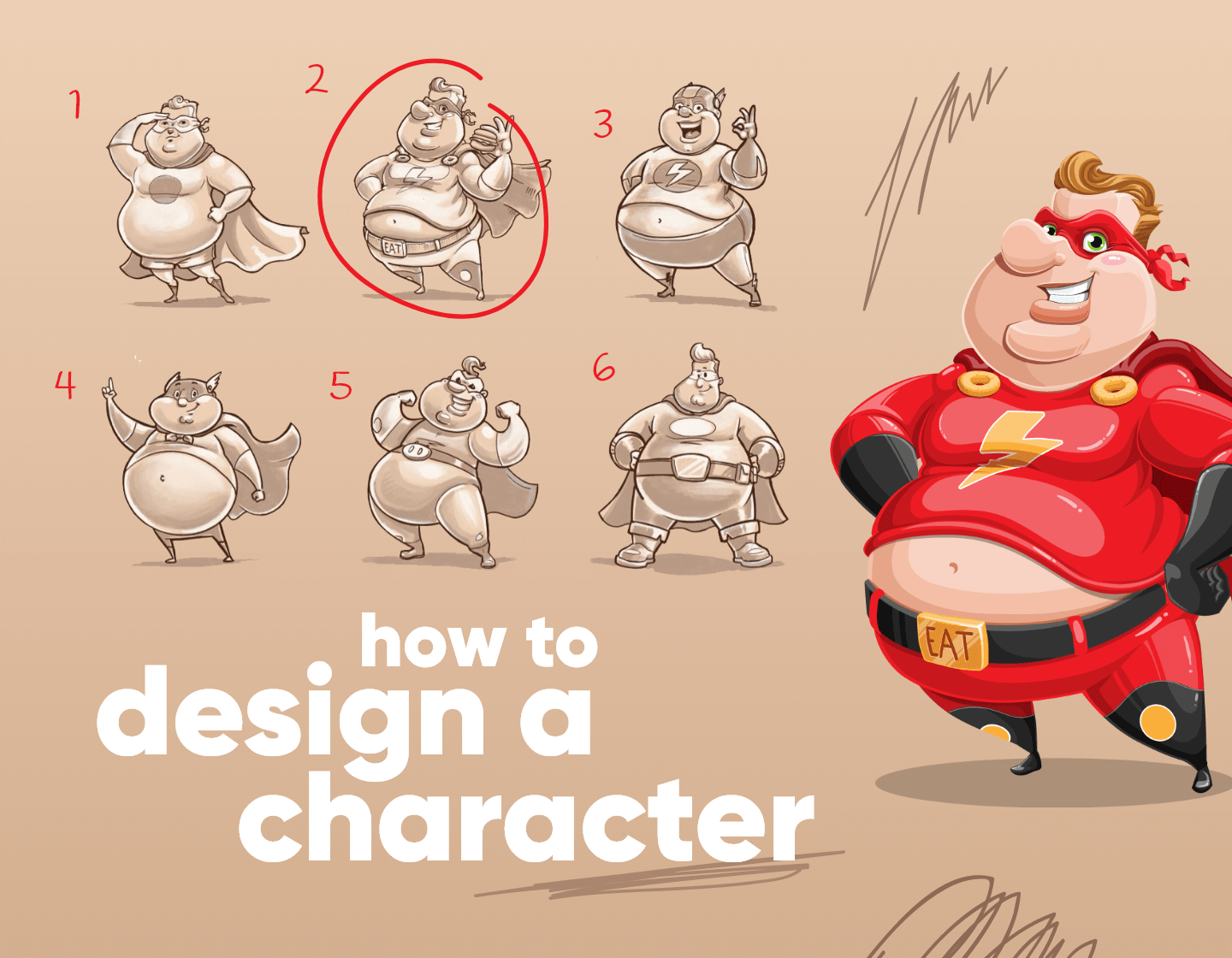
In most cases, this mascot will be the embodiment of a product and you’ll end up designing a charming character dishwasher, a bag, a hamburger, or who knows what else and give them a story and personality. Try turning your character into a silhouette and see if it’s still distinct and recognizable. For example, if you keep the limbs separate, it would be easier to recognize what your character is doing from the very silhouette. Preparation is understanding the theoretical principles that go into great character design. Putting these principles into practice, however, is where the real magic happens. To put it simply, a silhouette of a character is what is left when you remove all colors and details and fill the outline of the character shape solely with black.
4 times Disney's live-action character design upset fans - Creative Bloq
4 times Disney's live-action character design upset fans.
Posted: Wed, 10 May 2023 07:00:00 GMT [source]
Step 7: Add the finishing touches
The design of facial features should reflect the character's distinctive traits and background. The eyes, nose, mouth, and expressions should seamlessly align with their journey and role in the unfolding narrative. Explore different sources for inspiration—check out art, books, movies, history, and various cultural elements.
Cute Baby's First Christmas Photo Shoot Ideas
This is the essence of the mindset of an artist or a designer. Just by observing people and physical objects, they can instinctively break them into patterns, shapes, lines, and shades. Now it’s all about relaxing and exploring your character design further by adding facial expressions, some movement, and the environment. Now that you understand the purpose of character design and the fundamental components to good character design, let’s take a look at the basics of the character design process. It’s important to try and use one color as the dominant color of a character and try to minimally use other colors to support this color.
Convert to grayscale to check color value and balance
That said, it is a good idea to take a break at this point if you have the time to spare. Doing so will allow you to clear your mind and come back to your thumbnails with a fresh perspective. When you are ready to get back to work, find the thumbnail that evokes your concept most effectively. You are then going to create a larger, more detailed sketch that will serve as the basis for your final artwork. You can learn everything about the way a character feels or what they might be up to by paying attention to their body language.
Finalize the pose and fine details
There are a number of brainstorming techniques that can help you develop your character profile. The reason being that singular words keep ideas simple, distilling them to their essence, and this comes in handy when you need to communicate those traits visually. For this reason, character design can be harder than it at first appears. This is especially true for simplistic character styles, where the designer has to communicate more with less.
Hair is one of the most difficult things to draw digitally, especially with vector graphics. So, try to apply that to your design because it’ll make your character much more believable. Identify the most unique or defining trait of your character and amplify it.
Choose somewhere you love, somewhere you’ve been before, it doesn’t matter, but make sure it’s full of life and vibrancy. The lines also add to the personality and have a unique quality to describe the character’s attitude. Softer, even and round lines make a character more approachable, childish, and cute, while sharp uneven lines unveil a more uneasy personality. Lines also play a huge role in how the character is perceived by the audience in terms of appeal. This will also perfect the silhouette and overall shape of the character. Let’s start with a rough version of your character design where you have the most freedom.
Create clear silhouettes
The purpose of this sketch is to guide your final artwork, so it is going to get harder to make any big changes to the design from here on. The tools you use largely come down to your intended style, personal preference and the client’s file type requirements. Some art styles, such as watercolor, can be mimicked on the computer but usually come out best in their original medium. Personal preference, of course, depends on your own experience creating artwork. Exaggerated, cartoony or oddball characters are not excluded here—if anything, you should make more of an effort to ground them in realistic traits that people will easily recognize.
Every character ever created is universally known by their "uniform". Not to be confused with just work clothes, your character's uniform is the general attire you'll see them wearing. At the end of the day, the more you know, the more it will ultimately translate into really great design. Make sure you think of names as a necessary stage in forming OC ideas.
No matter how silly you feel, answering these is one of the best OC ideas and design tips I can share. So today we're bringing you ten great tips and OC ideas for everything you need to know about making cool character designs, using amazing examples from Envato Elements and Envato Market. It touches on so many facets of the design creative process that you are bound to elevate all your technical skills to the next level. In this article, we will offer a complete guide on how to design a character.
By adding linework, color, and detail, character designs are flesh out and are brought to a more finalized state. This does not necessarily mean adding, but improving upon a character design. Character design is used to create characters for the best animated movies, comic books, toys, commercials, and books. To get a better idea of what all character designers aim to do, let’s take a look at the character design definition.
This way, the research will not only give you a full idea of how these animals act, walk, or what makes each one unique but will also immerse you in the subject. You'll also be the first to know about new products and special offers. This is because of atmospheric perspective, which is essentially just the effect of particles in the atmosphere making things further away have a bluish tint. Or perhaps your character is going on a journey but they are anxious and try to over-prepare, so they have a comically large back-pack. The possibilities of exaggerated features are nearly endless and depend completely on what you want to emphasize about your character.
Characters are often used on screen, like cartoons, movies, and games, but they’re also designed for books, either mangas, comic books, illustrated children’s books, or graphic novels. Always maintain a balanced design by choosing the right colors. Complementary colors create dynamism, while monochrome colors invoke feelings of calm. For instance, straight lines and curves give your character design a rhythm.



No comments:
Post a Comment